
Platforms & Utilities
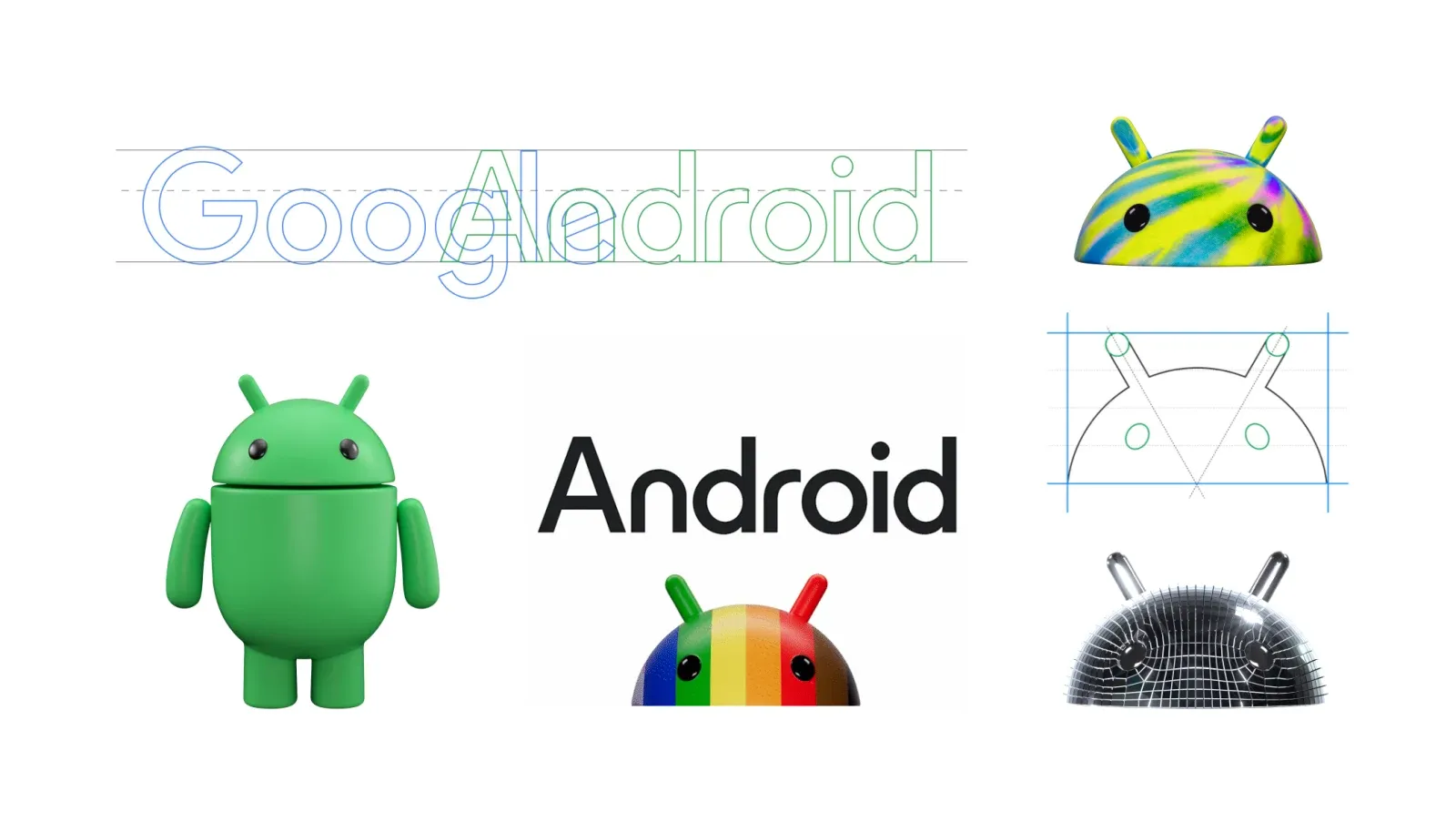
Android
The Bot
Google refreshed the Android robot as The Bot, a more dimensional and customizable platform character that can move across devices and campaigns.
Researched product character library
Get inspired by popular mascots from brands like Finch, Firefox & Github, with researched profiles covering their brand context, design, and role in the product.
Create your own animated mascot The Bot
Google refreshed the Android robot as The Bot, a more dimensional and customizable platform character that can move across devices and campaigns.
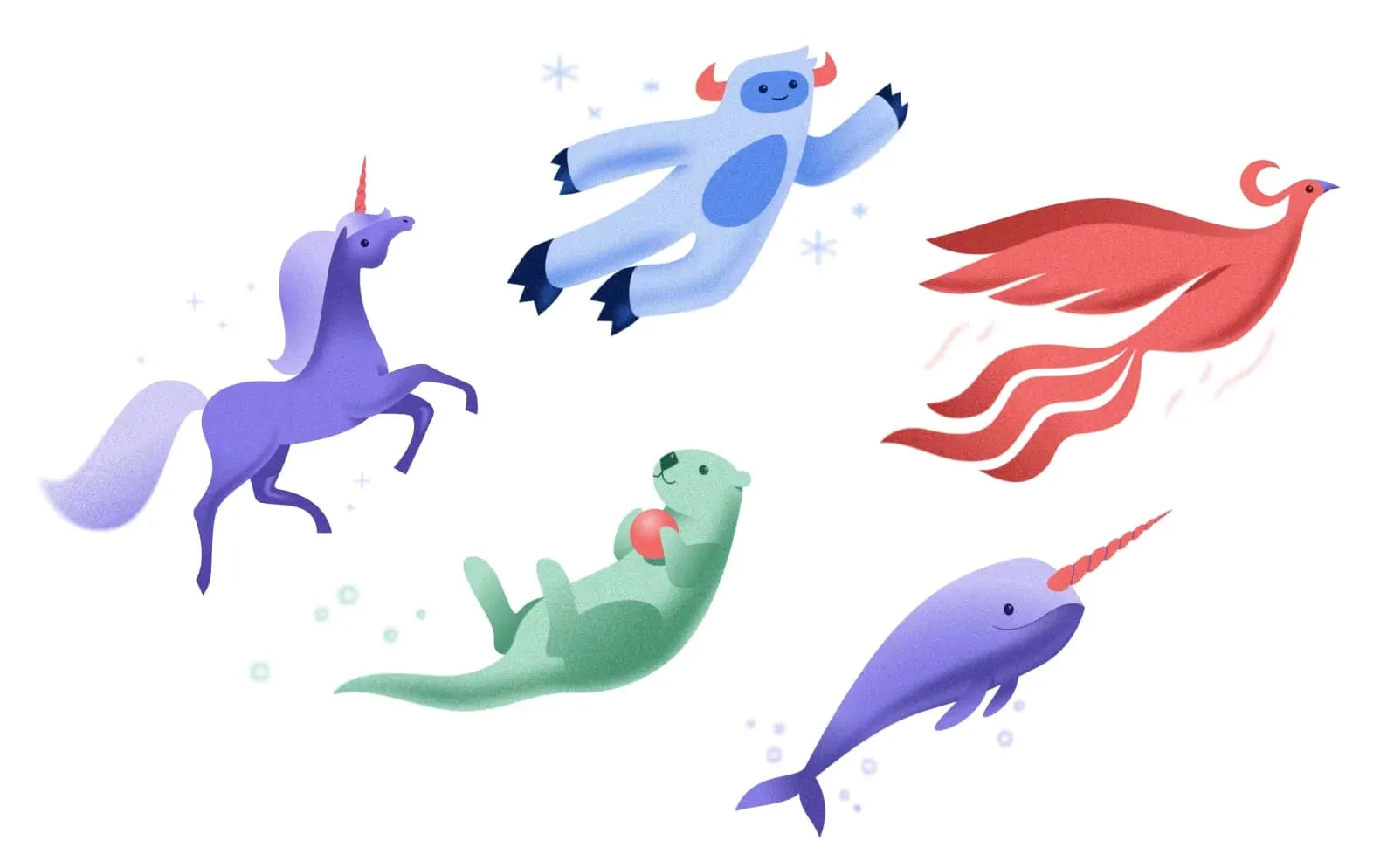
Celebration Creatures
Asana's Celebration Creatures occasionally streak across the product after tasks are completed, including the famous flying narwhal.

Winking ghost
Boo's winking ghost gives its personality-based dating app a friendly, low-pressure identity that survives from icon to social creative.

The Bun
Bun's smiling bun turns a performance-focused JavaScript runtime into a character developers can recognize instantly in docs, releases, and community posts.
Rabbit mark
CodeRabbit's rabbit head gives an AI code-review service a fast, recognizable identity across GitHub, launch creative, and developer content.
Bits
Datadog's Bits translates abstract infrastructure concepts into a small, flexible character used in illustration and brand communication.

Deno the dinosaur
Deno's dinosaur pairs a serious JavaScript runtime with a soft, hand-drawn identity used throughout launches, docs, and community communication.
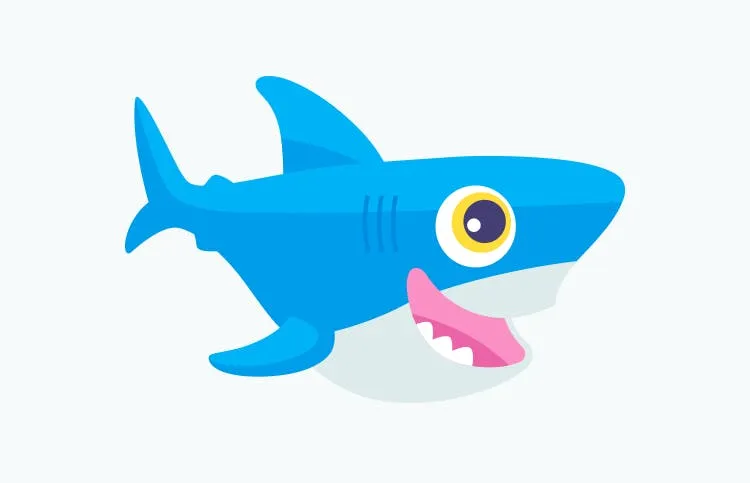
Sammy the Shark
Sammy gives DigitalOcean's tutorials and developer community a welcoming guide that is more approachable than cloud-infrastructure diagrams.
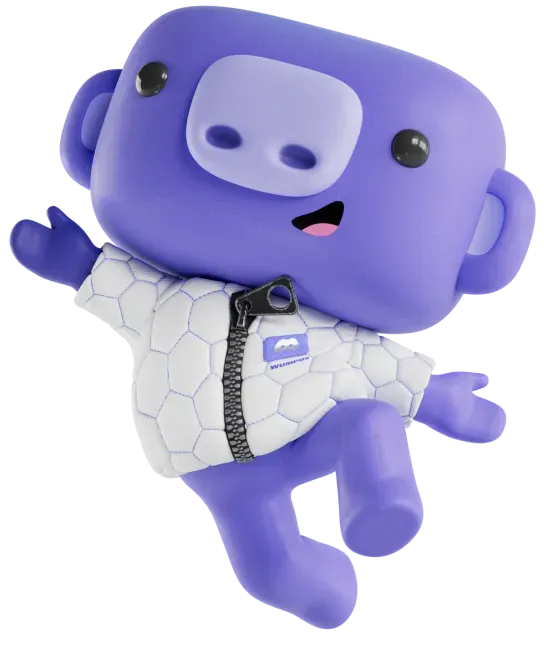
Wumpus
Wumpus turns Discord's playful brand voice into a flexible character used across product states, seasonal art, community campaigns, and merchandise.
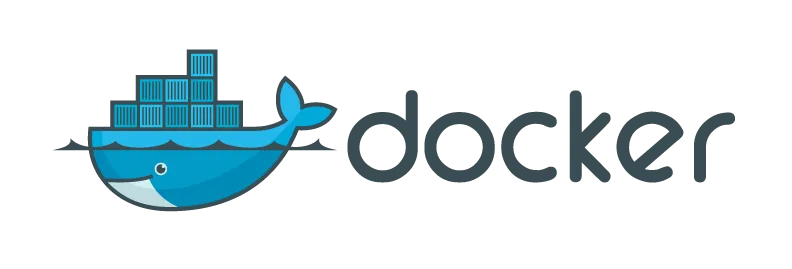
Moby Dock
Docker's container-carrying whale, named Moby Dock, turns the product's core abstraction into one literal and memorable image.

Dax Brown
Dax gives DuckDuckGo's privacy tools a friendly, recognizable face. The duck now appears in more than 600 search Easter eggs as well as the browser's core identity.
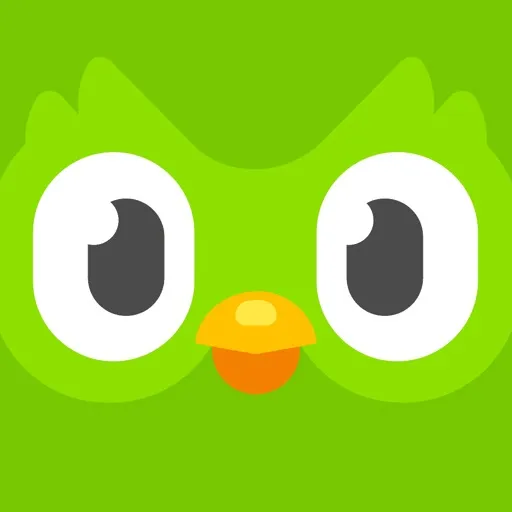
Duo
Duo is the benchmark for a mascot that escaped the interface and became a social-media performer. The 2025 'death of Duo' storyline turned a product character into global entertainment.
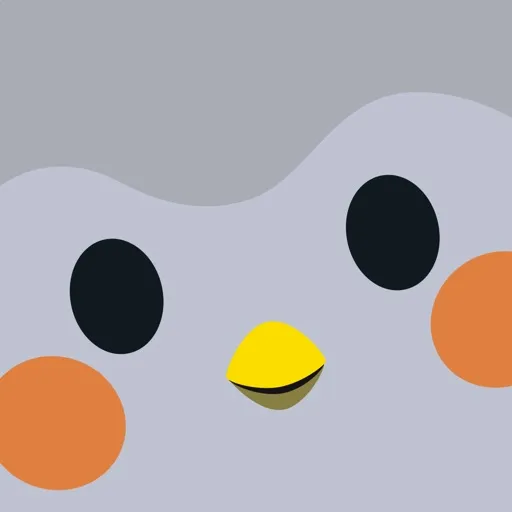
Your birb
Finch makes the mascot the product loop: users care for a personalized 'birb' by completing self-care activities and watching it grow.
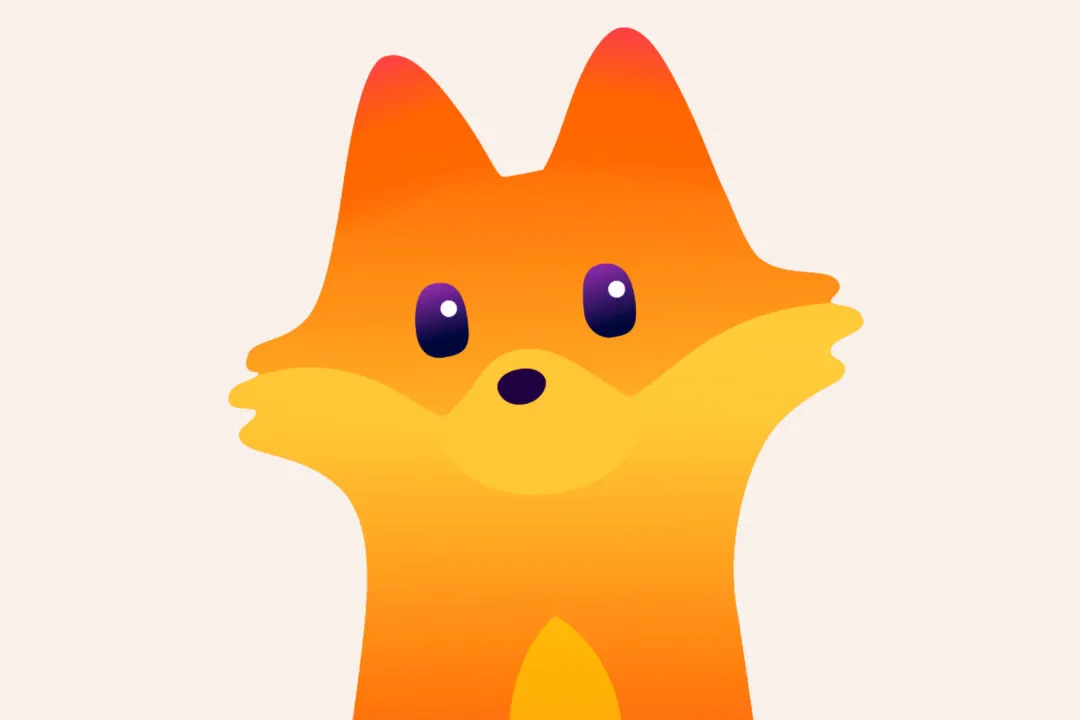
Kit
Mozilla promoted its familiar fox into Kit in 2026: a named character designed to express Firefox's independent, curious personality across social and brand storytelling.
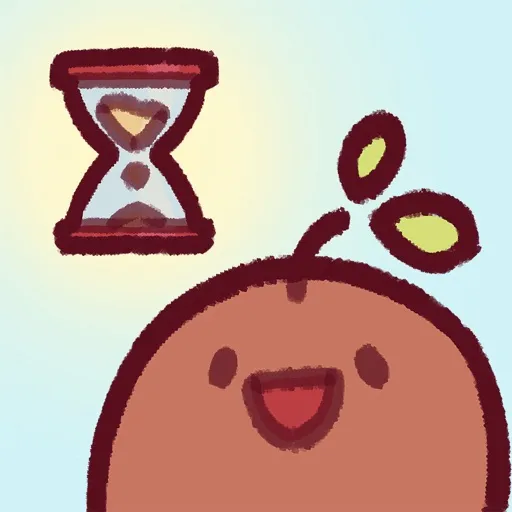
Bean
Hank Green's 2025 focus timer makes a tiny bean knit while the user stays away from distracting apps. The character helped the launch climb the App Store charts.
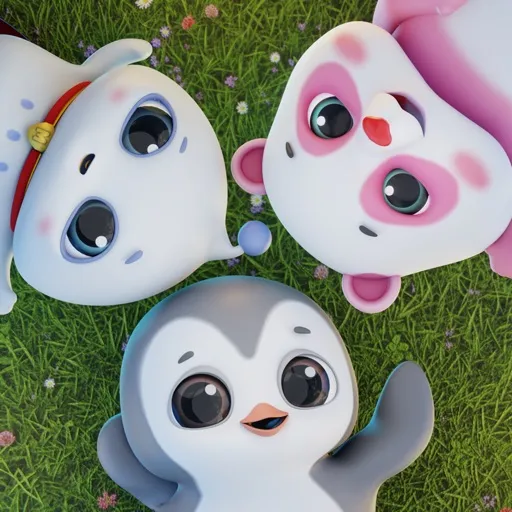
Pengu, Bao and Mellow
The app formerly known as Pengu expanded one shared virtual pet into Friends, a social character world featuring Pengu, Bao, and Mellow.

Mona the Octocat
Mona gives GitHub an approachable counterpoint to code-heavy product surfaces and a nearly endless template for events, programs, and community art.

Owly
Owly translates Hootsuite's social-media expertise into a watchful, adaptable owl that has evolved with the brand rather than being retired.
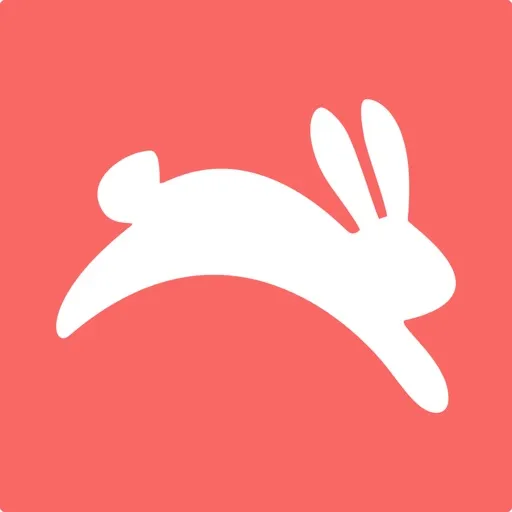
The Hopper bunny
Hopper's unnamed rabbit is inseparable from the travel app's icon and pink visual identity, making an otherwise abstract verb instantly tangible.

Bellboy
Hotels.com checked in Bellboy in 2025 as a hotel-service robot built to front rewards messaging and summer travel campaigns.
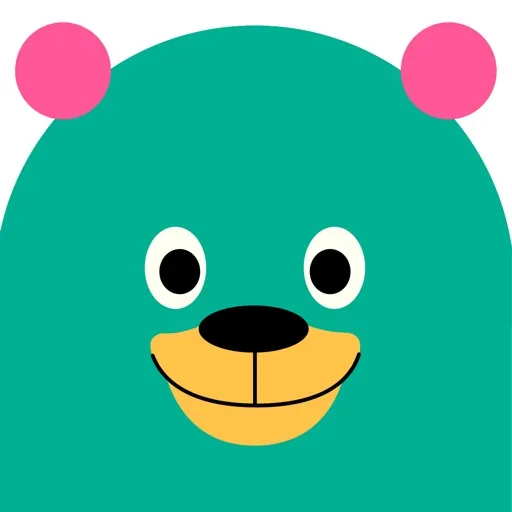
Kodi Bear and friends
Kodi Bear leads a cast built for early learning, where each character can host activities, celebrate progress, and make unfamiliar topics feel safe.
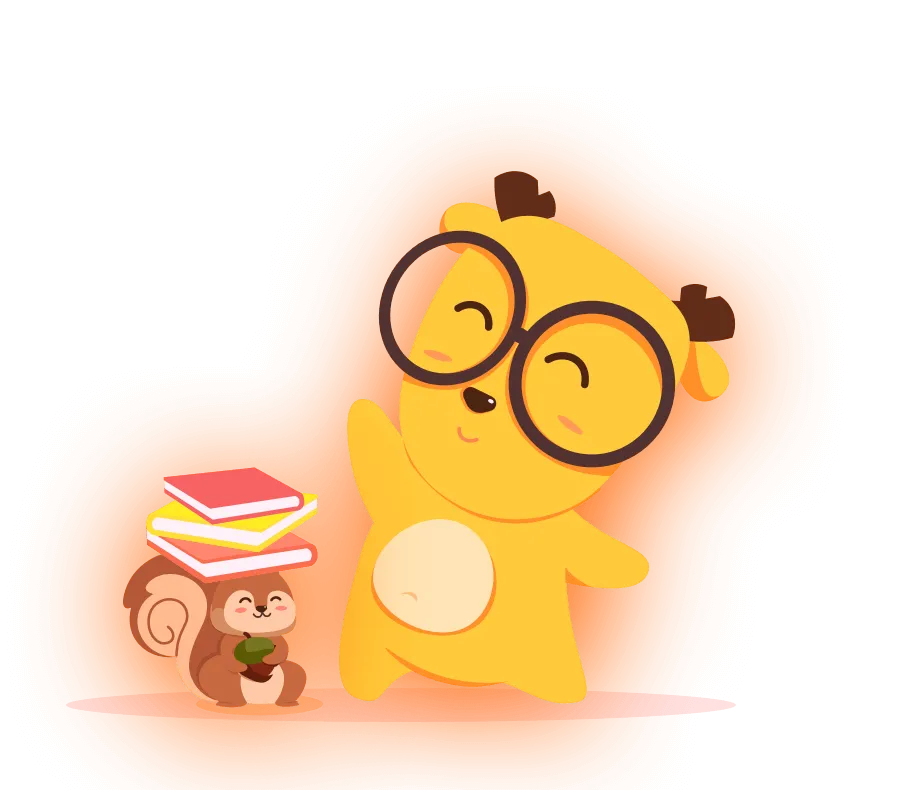
The LingoDeer deer
LingoDeer's deer is more than a name pun: it appears across the learning experience, encourages progress, and gives the app a warmer alternative to classroom imagery.

Freddie
Freddie has survived Mailchimp's evolution from email tool to marketing platform because the chimp remains expressive, recognizable, and tied to the company name.
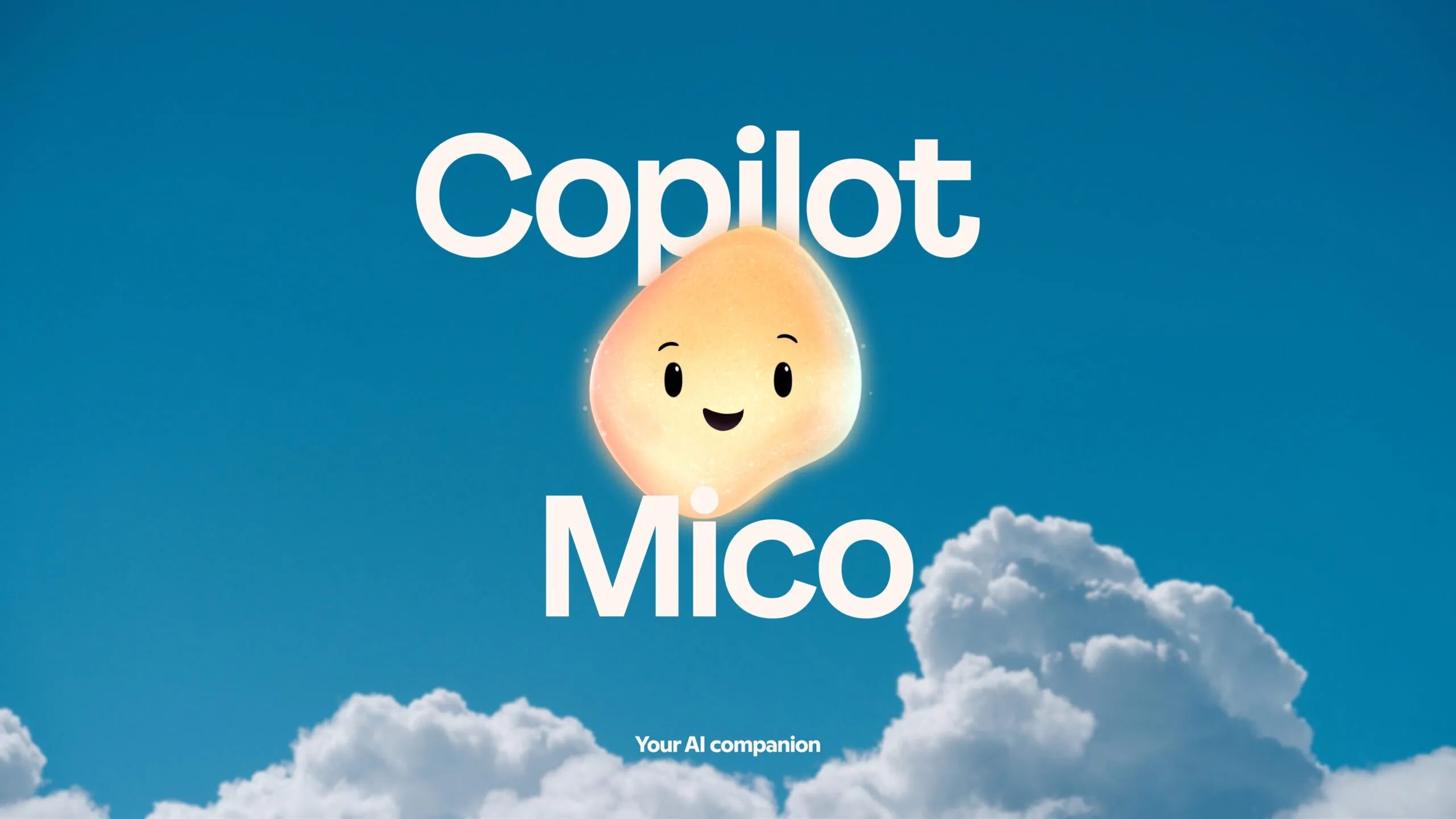
Mico
Microsoft introduced Mico as an expressive Copilot companion in late 2025, giving an otherwise invisible AI a face that listens and responds.
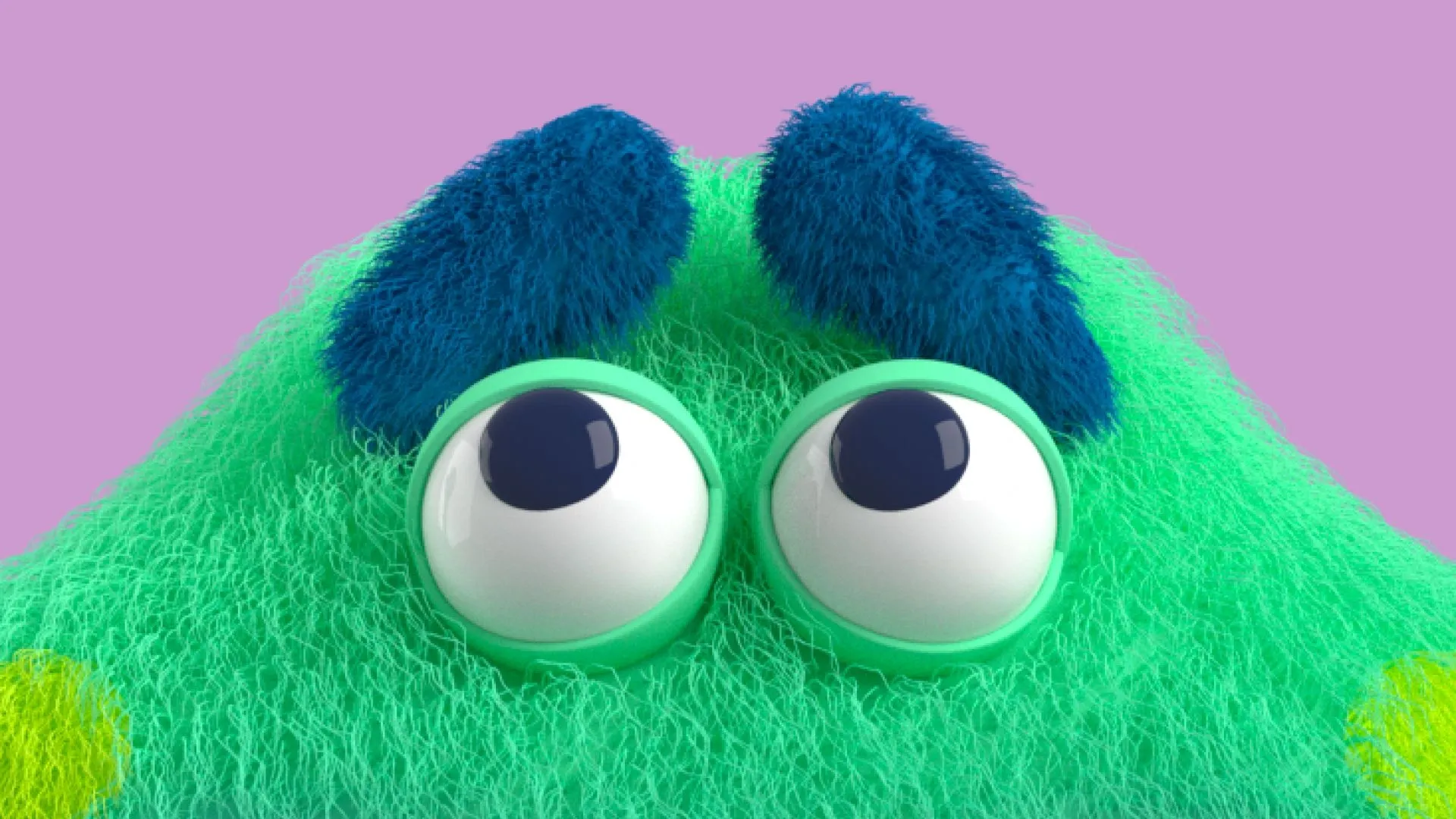
The Feelings Monster
The Feelings Monster helps students name emotions inside Microsoft Reflect through a deliberately broad range of expressions and colorful forms.

Coding robot
Mimo's small robot gives bite-sized coding lessons a persistent guide and a more playful identity than a generic terminal or graduation cap.
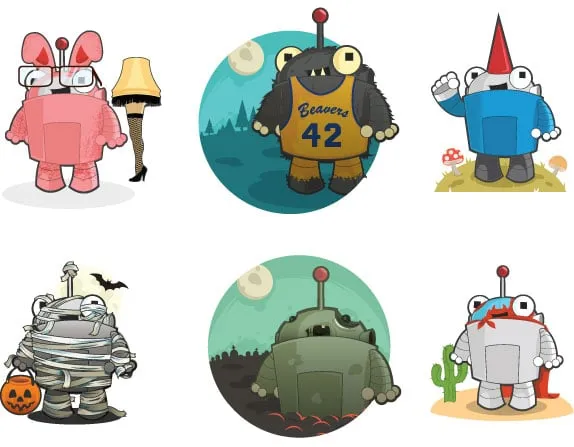
Roger Mozbot
Moz evolved Roger Mozbot from a recognizable robot drawing into an expressive character system with poses, costumes, and mouth shapes designed for warmer brand communication.
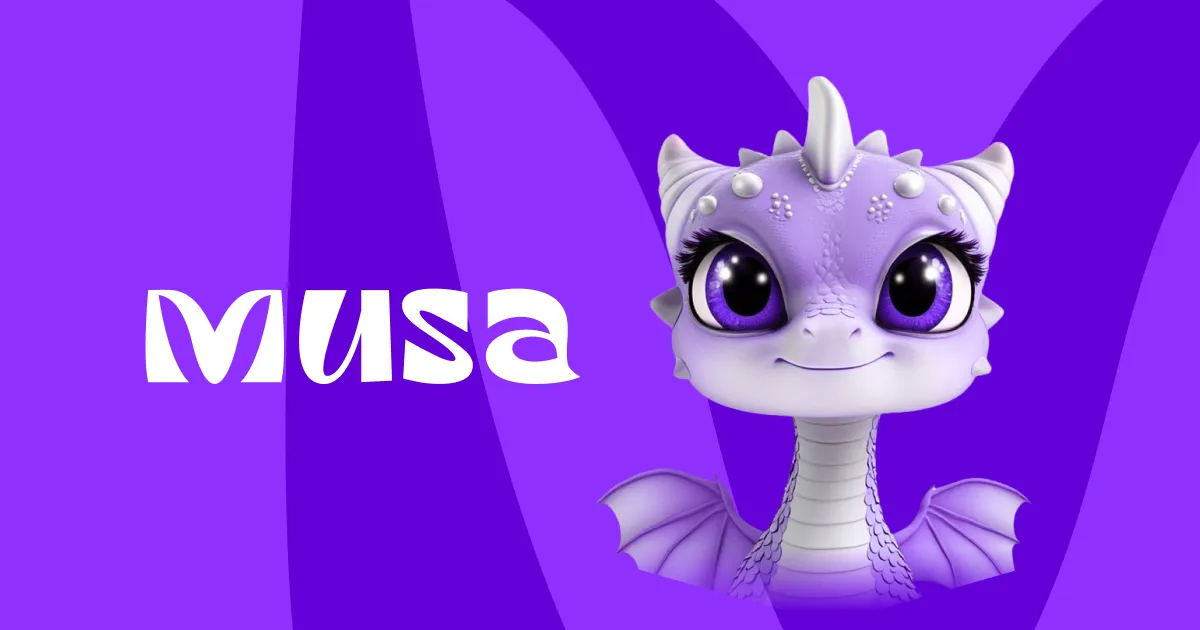
Mussy
Musa's purple dragon Mussy gives the women's health app a highly visual creator persona. A 2025 UGC case study reported 10 million views and roughly 30,000 monthly downloads.
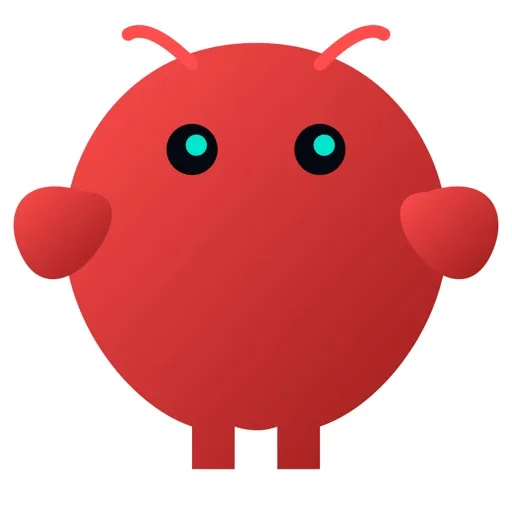
Molty
OpenClaw's lobster Molty ties the open-source assistant's name, icon, lore, docs, and community culture into one character system.
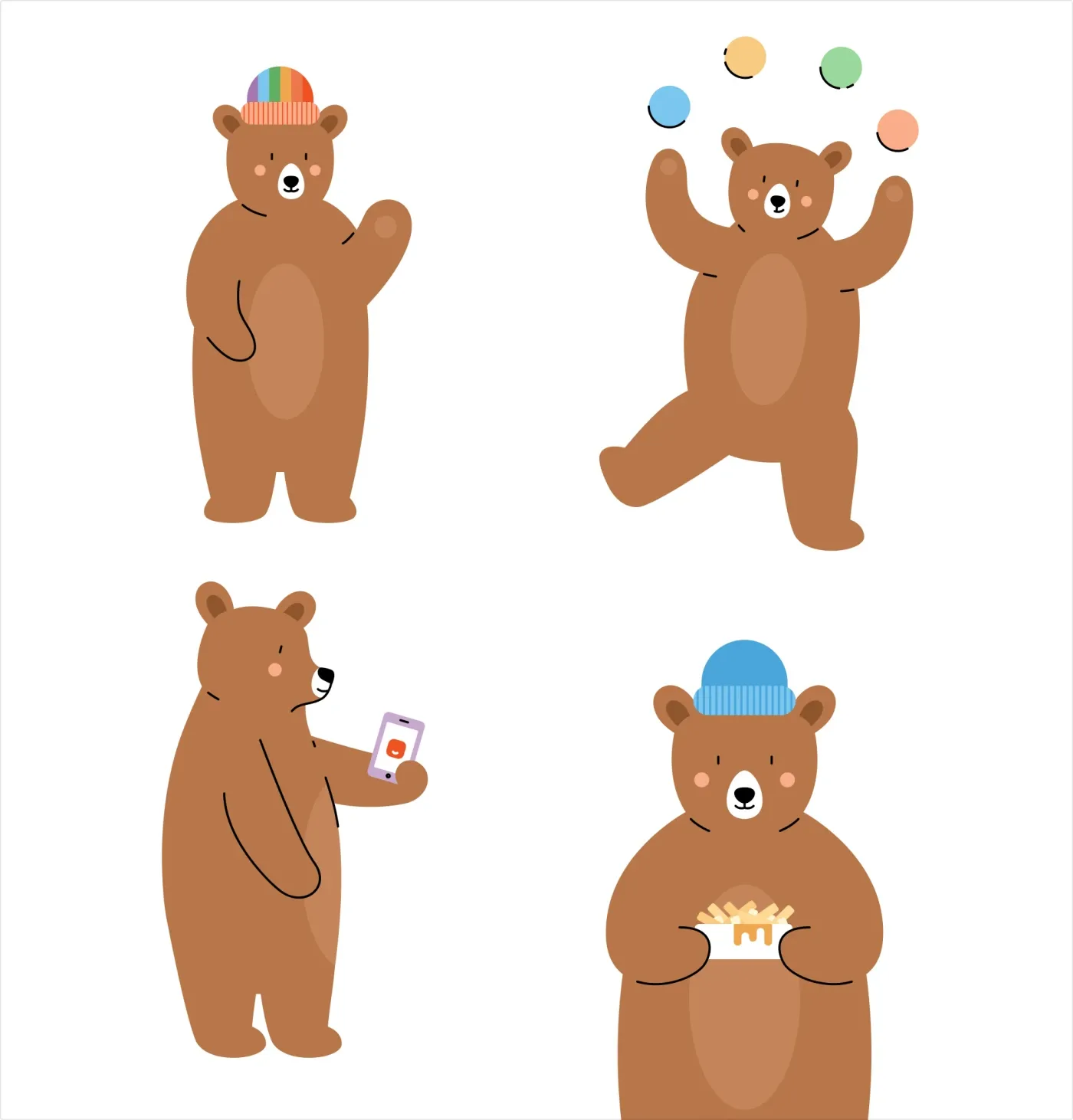
Popabear
Poparide's 2025 brand refresh elevated Popabear as the friendly face of its Canadian carpool marketplace and community-first positioning.

The PostHog hedgehog
PostHog has expanded its hedgehog into more than 140 official 'Hoggie' illustrations, giving a fast-moving developer platform a consistent visual language across products and teams.
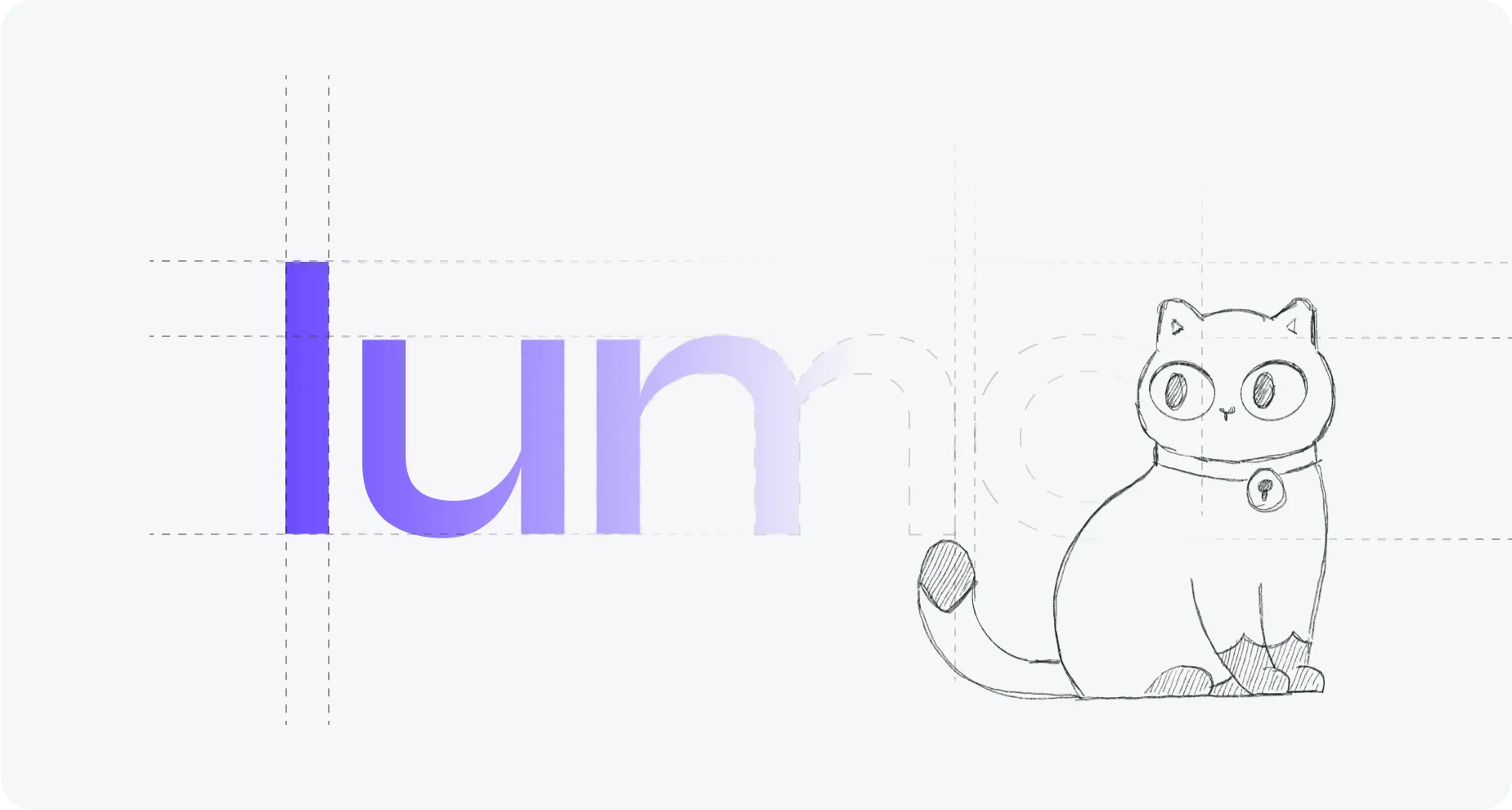
Lumo
Proton launched Lumo in 2025 with a cat-like companion designed to make privacy-focused AI approachable without borrowing the generic sparkle icon.
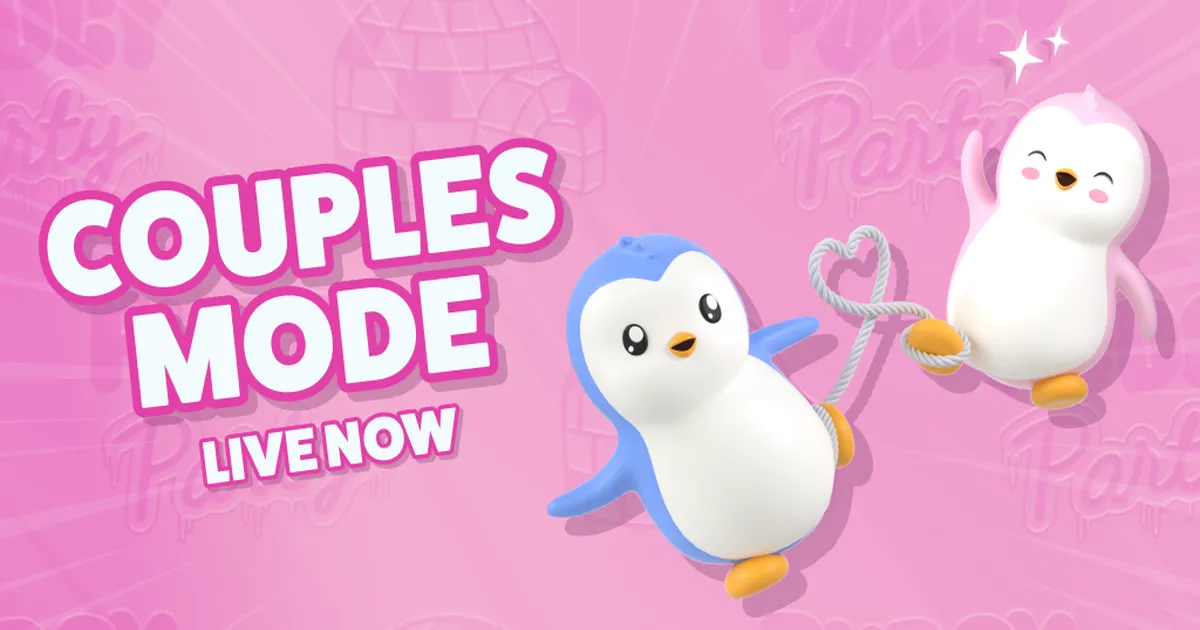
Pudgy Penguin
Pudgy Party brings the established Pudgy Penguins character IP into a mobile multiplayer party game, with customization built around the recognizable penguin body.

Snoo
Snoo is a rare mascot that is both a corporate identity and a community template. Subreddits continually remix the alien without losing the core shape.
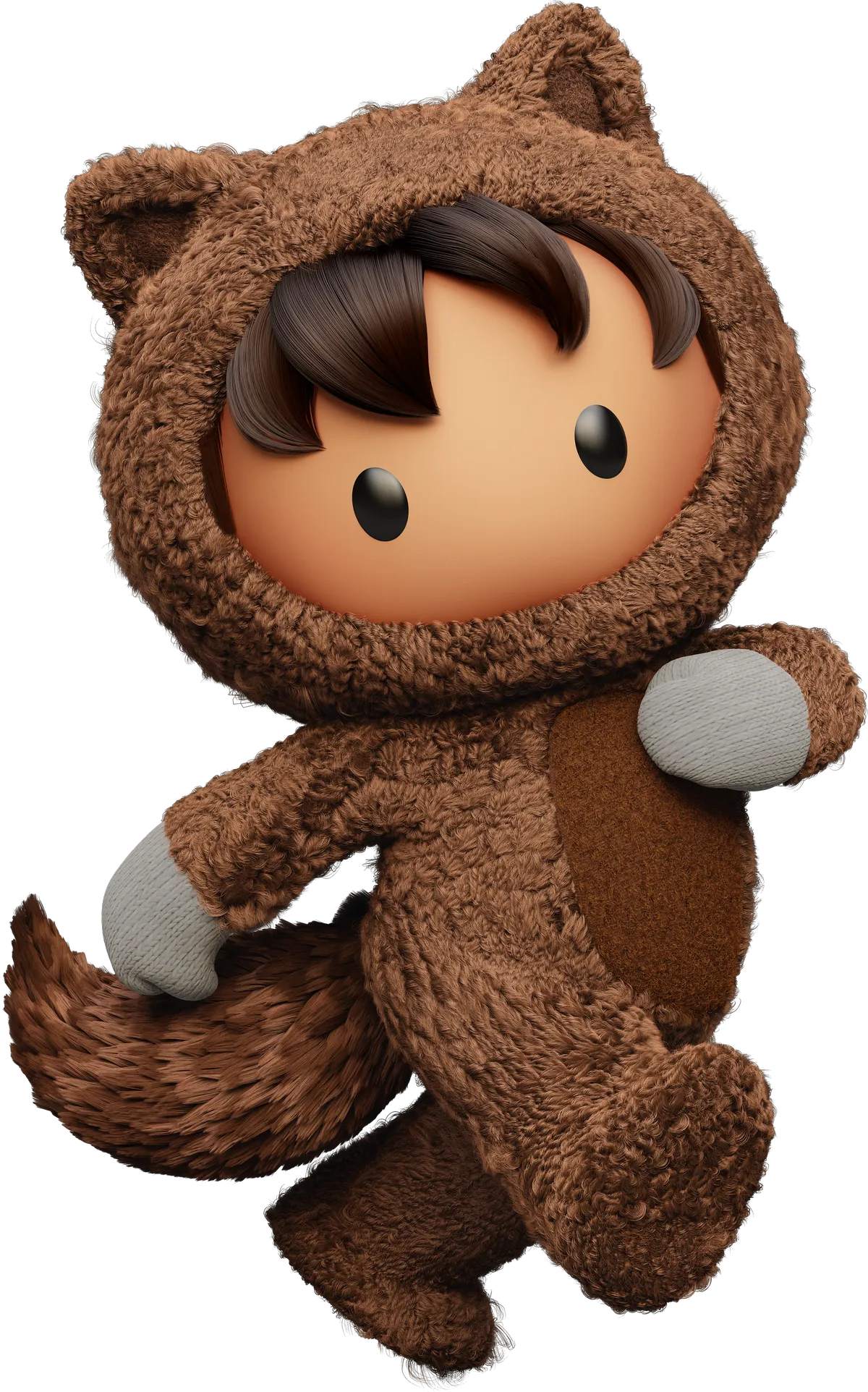
Astro
Astro anchors Salesforce's wider Trailhead character universe and makes learning enterprise software feel more like a guided journey.
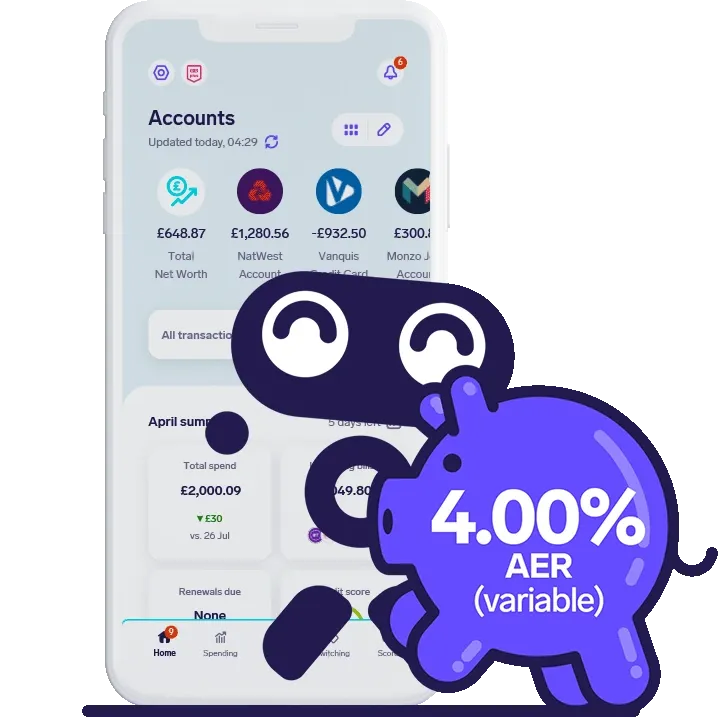
Snoop robot
UK budgeting app Snoop uses a small robot to make transaction analysis and money-saving suggestions feel like proactive assistance rather than bank administration.

Splashee
Splashee fronts SplashLearn's game-based learning world and gives children a recognizable guide across math, reading, rewards, and parent-facing creative.
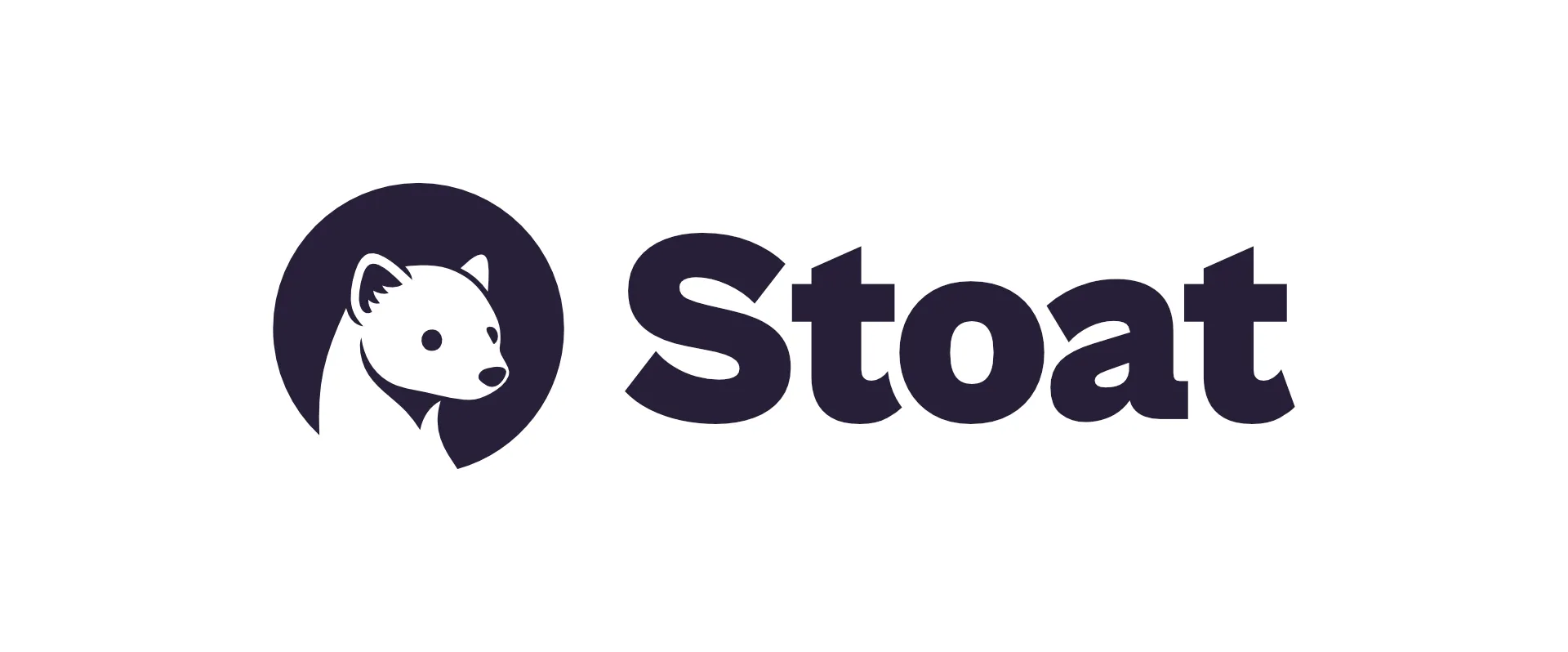
Toast
When Revolt rebranded to Stoat, the team introduced Toast as the stoat inside its new logo and app icon while announcing one million registered users in 2026.
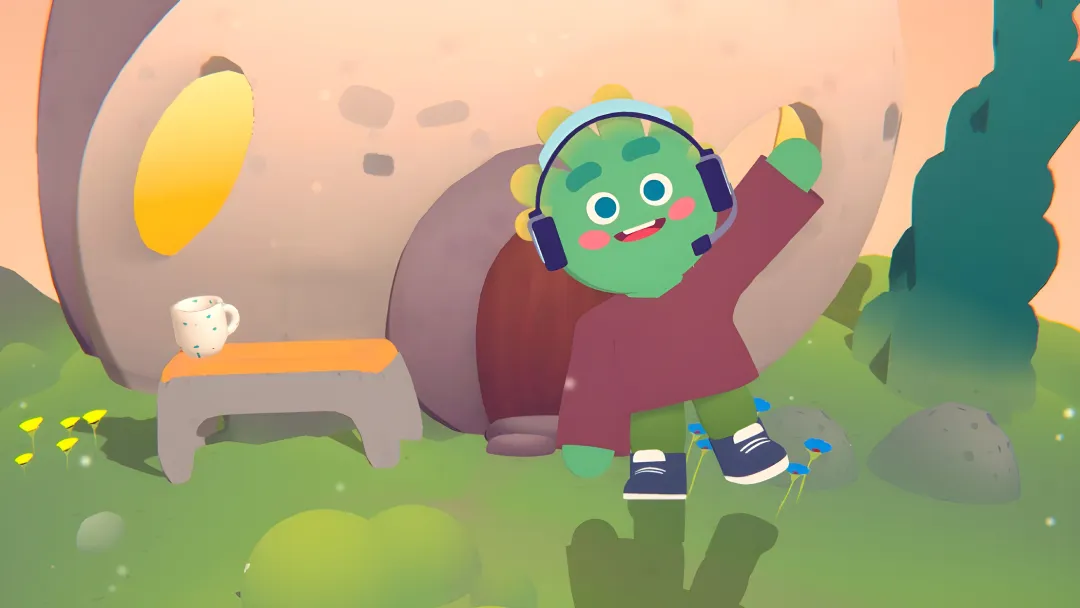
Your Tolan
Tolan makes its AI companion a personalized alien who develops a distinct appearance and memory through conversation.
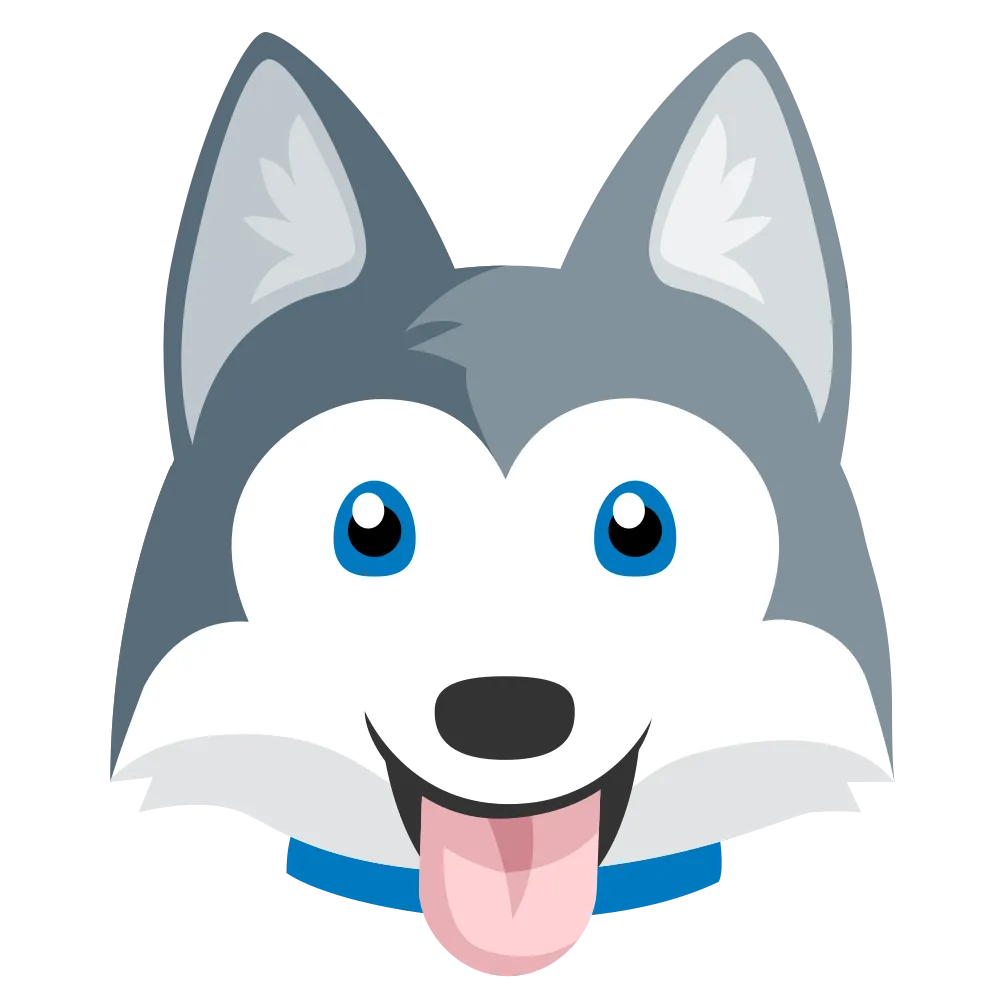
Taco
Taco the husky grew from an office dog into Trello's longtime mascot and a recurring personality in early product communication and social media.
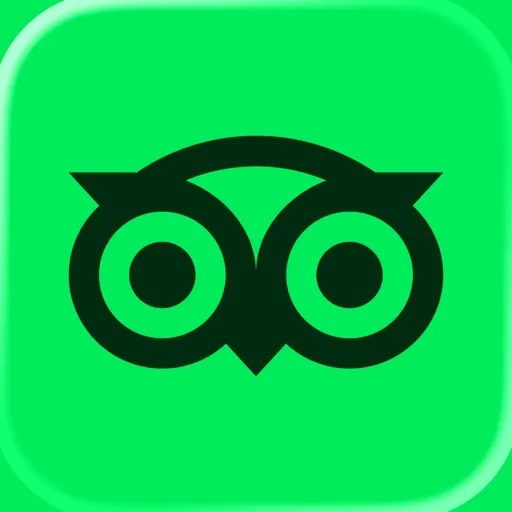
Ollie
Ollie extends Tripadvisor's long-running owl identity into a named, approachable travel character rather than leaving it as a pair of logo eyes.

Emotion creature cast
Voidpet turns emotions into collectible creatures that users befriend and grow, making internal states visible without reducing the experience to charts.
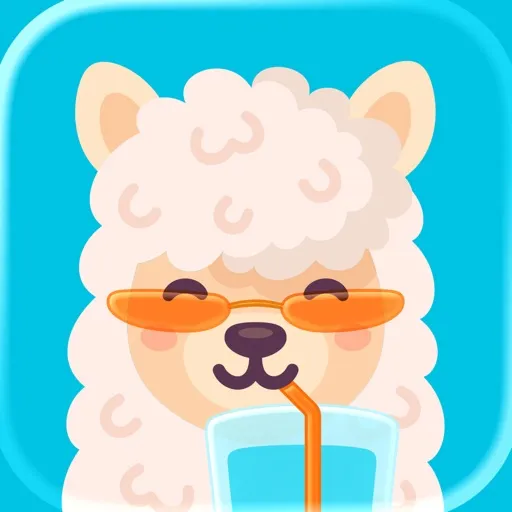
Hydration llama
Waterllama turns hydration tracking into a parade of expressive animals, led by the llama named in the product itself.
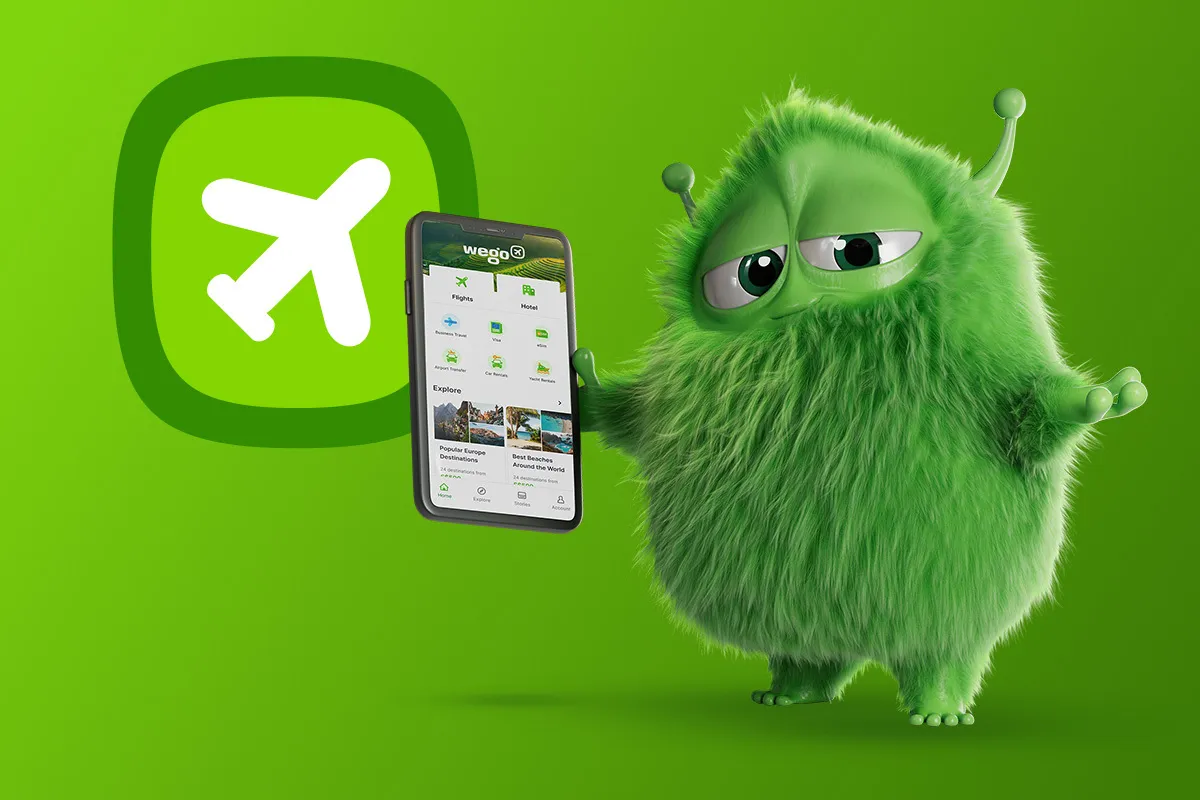
Weegio
Wego introduced Weegio in 2025 as a friendly travel companion built for cross-market storytelling, content, and physical activations.
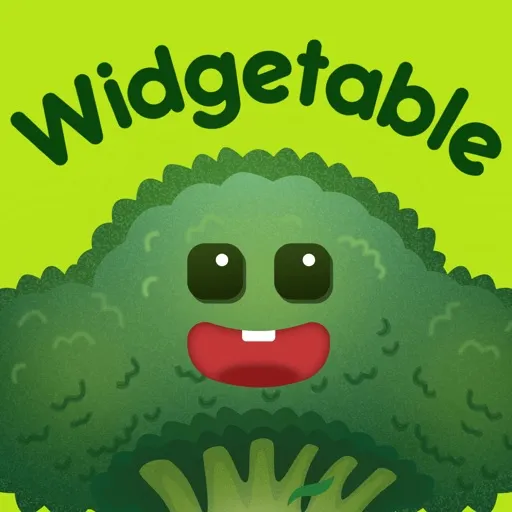
Pet cast
Widgetable's pets turn home-screen widgets into shared relationship objects. Users feed, hatch, and care for a cast rather than encountering one static spokesperson.
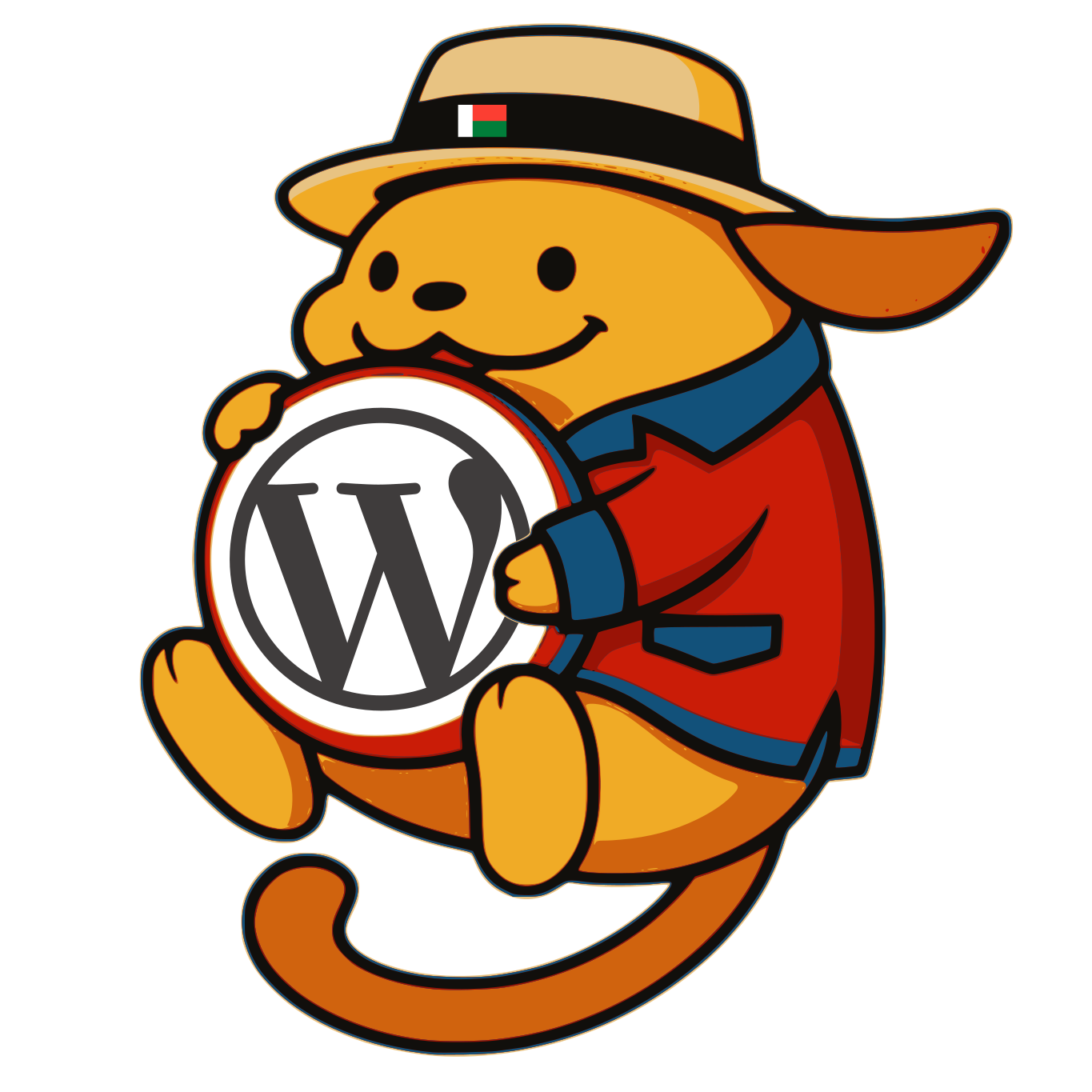
Wapuu
Wapuu is a community-made WordPress mascot whose open remix culture has produced local versions for WordCamps around the world.
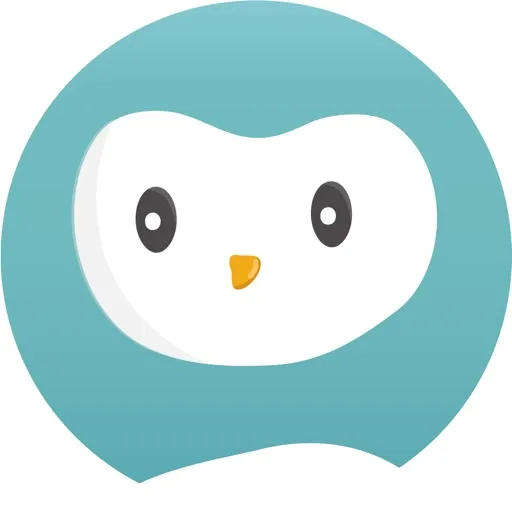
Wysa penguin
Wysa's penguin gives its mental-health chatbot a non-human, non-clinical presence that can guide exercises without resembling a therapist.
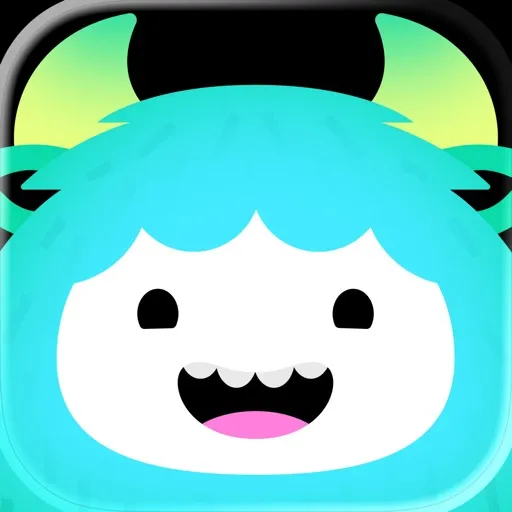
Yettie
YAZIO's fuzzy blue Yettie became a highly shareable counterweight to the clinical visual language common in calorie-tracking apps.