Mascots for Agencies: Faster Brand Concepts and Client-Ready Character Systems
How design, branding, and product agencies can use mascot systems to speed up exploration and deliver richer client assets.
Quick Answer
Core idea: Agencies can use mascot workflows to explore directions faster and deliver a more complete, reusable character system.
- Mascot systems make brand concepts easier for clients to understand.
- Generate pose libraries to show how the character works beyond the homepage.
- Use SVG exports for handoff into design systems, websites, and pitch decks.
Show the system, not one illustration
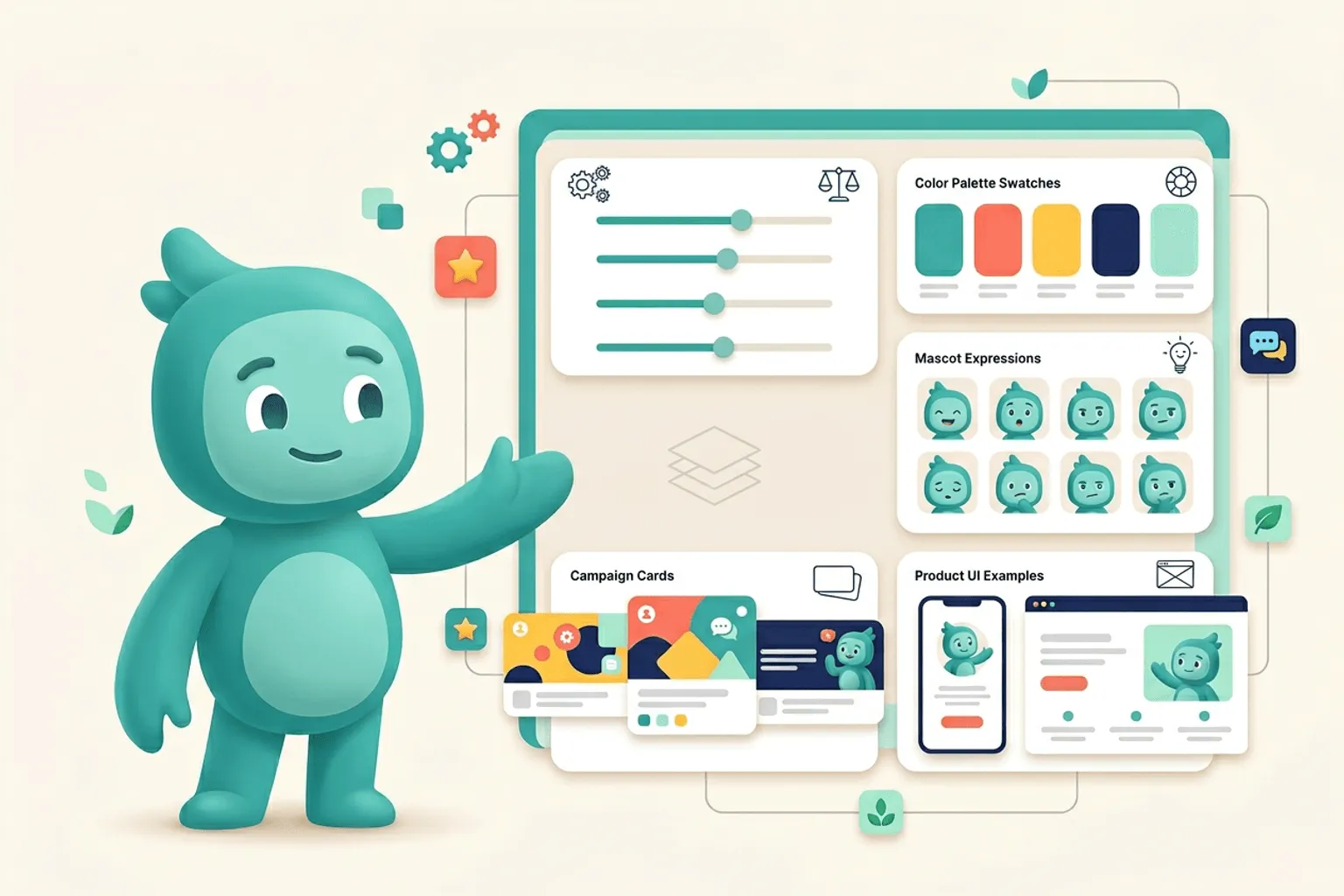
Clients often approve a mascot concept because the first illustration is charming, then struggle to imagine how it scales. Agencies can solve this by presenting a mini system: hero pose, onboarding pose, error pose, success pose, social pose, and documentation pose.
This makes the mascot feel like a practical brand asset rather than a decorative add-on.
If you want to learn more about mascot for agencies, read Mascots for MVP Agencies: Make Fast Launches Feel More Finished next. Brand Mascot Guide: How to Design a Character People Actually Associate With Your Product is also useful when you are mapping the same mascot system across product and marketing.
Speed up exploration
Early mascot exploration can be expensive when every direction requires custom illustration time. AI-assisted mascot generation helps agencies compare species, shapes, tones, and pose systems quickly before investing deeper craft in the chosen direction.
The agency still brings strategy, taste, and refinement. svgapp simply accelerates the asset exploration and variation stage.
If you want to learn more about applying this idea in a real product workflow, Best AI Mascot Generators for App and SaaS Teams is a practical next step.
Improve handoff
A good handoff includes exports, usage notes, prompt direction, color rules, and examples of where each pose belongs. This gives the client a character system they can actually use after the project ends.
SVG assets make the mascot easier to place in sites, decks, product UI, and future campaign work.
Implementation Checklist
Use this checklist before publishing the mascot assets. It keeps the character useful across the product instead of turning it into a one-page illustration.
- Present mascot concepts as pose systems.
- Use generated exploration to compare directions quickly.
- Deliver clear file naming and usage notes.
- Include client-specific prompts for future expansion.
How to Think About Mascots for Agencies
This longer-form guide is for creative, product, and MVP agencies presenting mascot systems to clients. The goal is to sell a mascot as a reusable brand asset rather than a single illustration deliverable. Agencies often win buy-in with a charming concept, then lose consistency as client requests multiply. A small mascot system makes the work easier to approve, extend, and maintain.
The practical question is not whether the mascot is cute. The practical question is whether it helps people understand, remember, or complete something that matters. A strong mascot system should make the next asset easier to create, not harder.
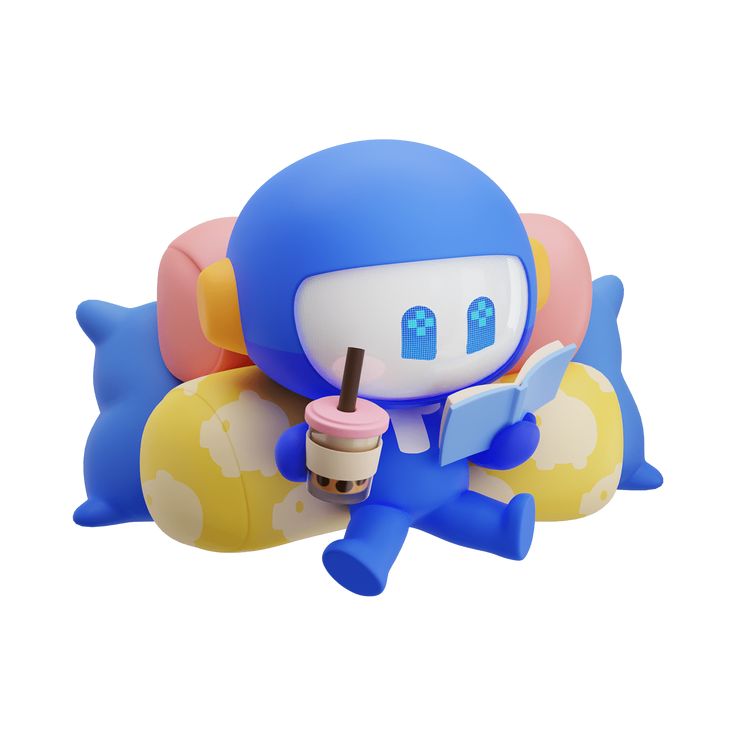
TIKI Mascot Re-branding on Pinterest. The pin is a helpful reference for packaging a mascot as a broader brand identity deliverable.
Build the System Before You Polish the Moment
Frame the mascot as a system
Clients understand value faster when they see homepage, onboarding, error, success, social, and documentation poses together. The deliverable becomes a toolkit, not a single illustration that will be hard to extend.
Use the mascot to clarify strategy
A mascot forces useful brand decisions: tone, audience, category cues, emotional range, and where playfulness is appropriate. Those decisions often improve the rest of the identity work too.
Hand off rules, not just files
A client needs source files, transparent exports, naming conventions, prompt notes, approved contexts, and examples of misuse. That package protects the agency’s work after launch.
What to Notice in the Pinterest Reference
Use Pinterest as a research board, not as a source to copy. The goal is to notice the design decisions that make a character usable across contexts, then translate those decisions into your own brand system.
- Notice how the character can support a whole presentation.
- Look for brand color integration.
- Ask which pieces would make the client feel the system is complete.
Common Mistakes to Avoid
- Delivering a mascot without use-case examples.
- Letting client teams stretch or recolor the character freely.
- Skipping source-of-truth documentation.
Production Checklist
- Present at least six client-ready use cases.
- Include transparent SVG or PNG exports.
- Write short usage rules.
- Create a naming system the client can follow.
How to Measure Whether It Worked
Treat the mascot like a product asset. Once it ships, review whether it improves clarity, recognition, speed, or reuse. The most useful metrics for this article are:
- Client approval speed
- Number of deliverables reused after handoff
- Requests for follow-on pose packs
- Consistency of client-created assets after launch
Create richer mascot concepts for client work
Use svgapp to generate consistent mascot directions and pose libraries for branding, product, and launch projects.
Create Your Mascot