
Mascots for App Founders: From Landing Page Hook to Product Companion
How app founders can use a mascot to sharpen positioning, onboarding, activation, and launch storytelling.
Quick Answer
Core idea: A mascot helps app founders explain the product faster and create a visual signal users can remember.
- Use the mascot to express the product promise visually.
- Start on the landing page, then extend into onboarding and lifecycle messages.
- A mascot pose library is cheaper to reuse than commissioning a new hero for every campaign.
Turn positioning into a character
Founders often struggle to make a product feel different when the feature set is still evolving. A mascot can embody the positioning before every page is perfect. Is your app the calm operator, the creative assistant, the fast teammate, or the careful analyst?
That answer can shape the character’s expression, props, posture, and launch visuals.
If you want to learn more about mascot for app founders, read App Onboarding Mascot Examples and Patterns next. Brand Mascot Guide: How to Design a Character People Actually Associate With Your Product is also useful when you are mapping the same mascot system across product and marketing.
Use the mascot across the funnel
Place the mascot on the homepage where it supports the core promise. Use a guide pose during onboarding, a thinking pose for empty states, and a celebration pose after activation. The repetition connects marketing with product experience.
This is where mascot systems beat one-off illustrations. The same character can travel with the user.
If you want to learn more about applying this idea in a real product workflow, Mascots for SaaS: Product Moments That Benefit From a Character is a practical next step.
Build a founder-friendly asset set
Founders need speed. A useful starter set includes hero, onboarding, success, error, launch, and social proof poses. With those assets, the product has enough visual language for the first campaigns and product flows.
svgapp helps create that set without slowing down product iteration.
Implementation Checklist
Use this checklist before publishing the mascot assets. It keeps the character useful across the product instead of turning it into a one-page illustration.
- Map the mascot to the product promise.
- Create poses for homepage, onboarding, success, and launches.
- Keep the character consistent across marketing and product.
- Use analytics and customer feedback to expand the library.
How to Think About Mascots for App Founders
This longer-form guide is for founders trying to make a new product feel more memorable before the brand is widely known. The goal is to use a mascot as a practical launch asset across landing page, onboarding, updates, and support. Early products need memory. A mascot can give the app a face, but it should also help the founder explain value, guide users, and create a recognizably owned visual language.
The practical question is not whether the mascot is cute. The practical question is whether it helps people understand, remember, or complete something that matters. A strong mascot system should make the next asset easier to create, not harder.
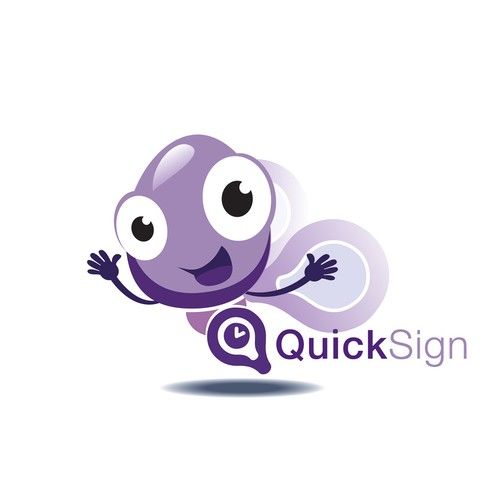
Créer une mascotte pour une startup fintech on Pinterest. The startup mascot reference shows how a character can turn an abstract service into a more concrete brand signal.
Build the System Before You Polish the Moment
Use the mascot to make the product tangible
Many apps sell invisible value: automation, coordination, reminders, analysis, or confidence. A mascot gives that value a visible representative, which helps in launch graphics, demos, and social posts.
Create launch and product poses together
Founders often create a landing page mascot and then discover they need onboarding, error, success, and changelog variants. Generate the first pack together so the product feels coherent from first click to first win.
Keep the character founder-proof
A founder should be able to reuse the mascot without a design team. Use transparent backgrounds, clear file names, simple compositions, and a saved prompt or style preset.
What to Notice in the Pinterest Reference
Use Pinterest as a research board, not as a source to copy. The goal is to notice the design decisions that make a character usable across contexts, then translate those decisions into your own brand system.
- Look for how the character simplifies an abstract category.
- Notice whether the mascot could work as an app icon, hero, and support cue.
- Check if the visual language feels scalable beyond one campaign.
Common Mistakes to Avoid
- Making a mascot that only works in a large hero section.
- Choosing trendy styling that will date quickly.
- Forgetting support and recovery moments during launch planning.
Production Checklist
- Create launch, onboarding, success, and support poses.
- Keep backgrounds separate from the mascot asset.
- Store prompts and palette in the brand folder.
- Use the mascot consistently during the first launch cycle.
How to Measure Whether It Worked
Treat the mascot like a product asset. Once it ships, review whether it improves clarity, recognition, speed, or reuse. The most useful metrics for this article are:
- Landing page recall in interviews
- Activation lift in mascot-supported onboarding
- Social engagement on launch assets
- Founder time saved creating future graphics
Create a mascot that follows users from landing page to product
Use svgapp to generate a consistent character system for your app launch and onboarding flow.
Create Your Mascot