Mascots for Solopreneurs: A Friendly Brand System Without a Design Team
A lean mascot strategy for solopreneurs who need a memorable brand across products, content, and client touchpoints.
Quick Answer
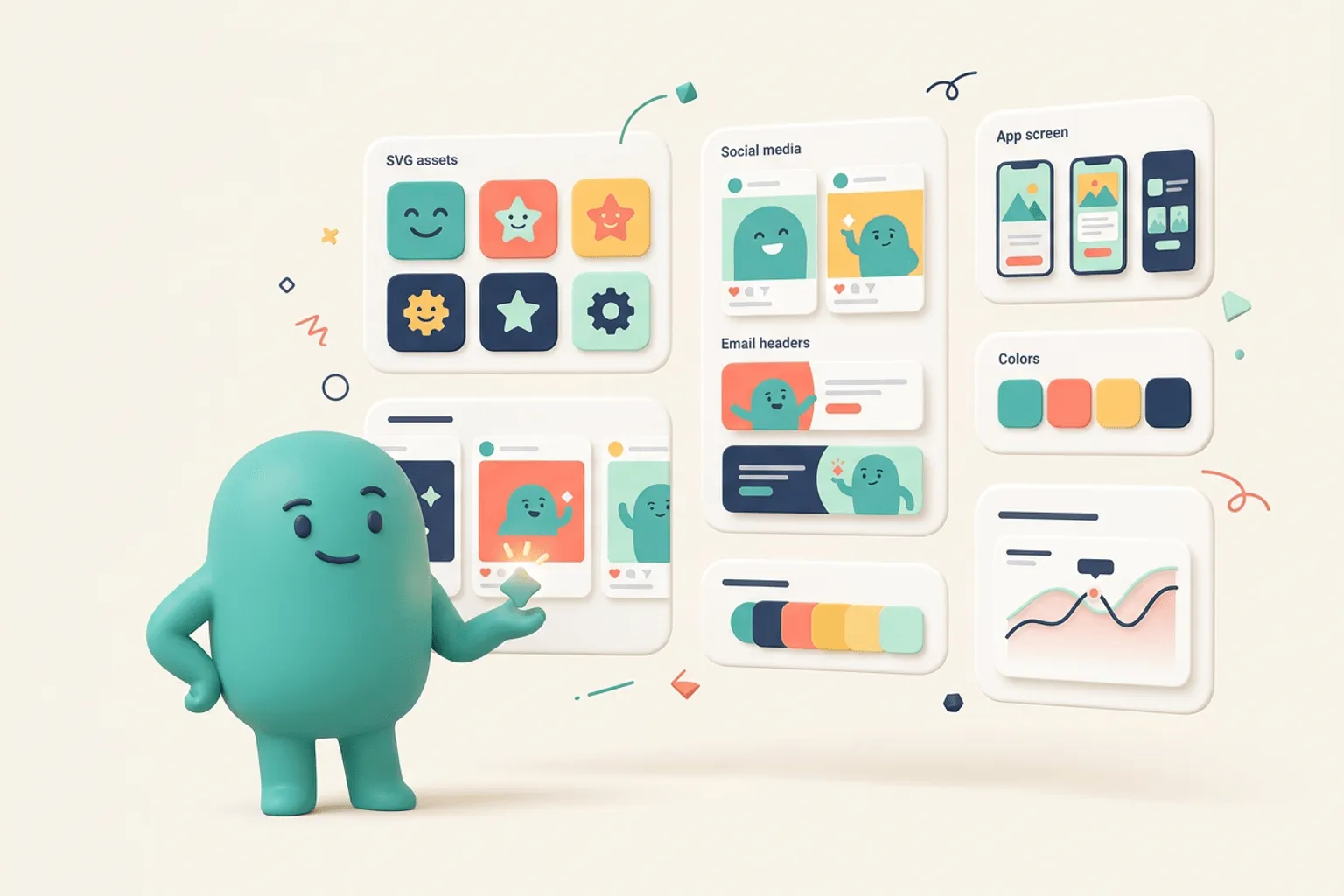
Core idea: A mascot gives solopreneurs a consistent visual assistant they can reuse across many channels without managing a large design process.
- Mascots help solo brands look more cohesive across channels.
- Create a small library of poses for recurring content and product moments.
- A simple SVG style is easier to reuse than complex custom illustration.
Why a mascot helps a one-person brand
Solopreneurs often wear every hat: product, marketing, support, sales, and content. A mascot can become a repeatable visual system that reduces creative decisions. Instead of searching for a new illustration each time, you reuse the same character in different poses.
This creates consistency without requiring a brand department.
If you want to learn more about mascot for solopreneurs, read svgapp vs Canva for Mascot-Led Brand Assets next. Mascots for Indie Hackers: Small Brand Assets That Compound is also useful when you are mapping the same mascot system across product and marketing.
Create a pose library around recurring work
Think about what you publish and send every month. Maybe you need newsletter headers, course modules, client onboarding, app empty states, and product launch posts. Generate poses that map to those moments.
The mascot becomes a brand assistant: presenting, writing, building, explaining, celebrating, and inviting.
If you want to learn more about applying this idea in a real product workflow, Brand Personality Guide for Mascots: Turning Tone Into a Visual Character is a practical next step.
Stay simple
A solo brand does not need a complicated lore system. Choose a character, define the tone, and use it consistently. Simple SVG assets are easier to place in Notion docs, landing pages, email headers, and product UI.
The goal is to make the brand feel recognizable without adding maintenance burden.
Implementation Checklist
Use this checklist before publishing the mascot assets. It keeps the character useful across the product instead of turning it into a one-page illustration.
- Choose a mascot role that matches your solo brand.
- Create poses for your recurring content formats.
- Use the mascot in templates to save time.
- Keep style rules simple and documented.
How to Think About Mascots for Solopreneurs
This longer-form guide is for solo operators who need memorable brand assets without managing a design team. The goal is to create a small, reusable character system for products, newsletters, courses, and service brands. A solopreneur mascot should save time. It gives the brand a face, but it should also be easy to reuse in offers, posts, lead magnets, and product screens.
The practical question is not whether the mascot is cute. The practical question is whether it helps people understand, remember, or complete something that matters. A strong mascot system should make the next asset easier to create, not harder.
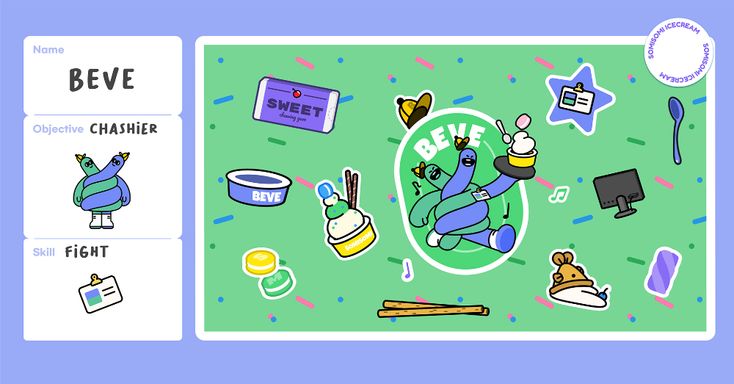
SOMISOMI Character Branding on Pinterest. The character-branding reference shows how a mascot can become a flexible sticker-like asset family.
Build the System Before You Polish the Moment
Start with the repeatable channels
List where you show up every week: newsletter, X, LinkedIn, YouTube thumbnails, landing pages, digital products, or client onboarding. The mascot should fit those formats first.
Design for low-maintenance reuse
Solo brands need transparent backgrounds, simple props, and a tight pose set. The goal is to create assets you can place quickly without opening a complex design process every time.
Use the mascot as a memory device
When your audience sees the same character teaching, celebrating, or pointing to a new offer, the brand becomes easier to recognize. Repetition matters more than novelty.
What to Notice in the Pinterest Reference
Use Pinterest as a research board, not as a source to copy. The goal is to notice the design decisions that make a character usable across contexts, then translate those decisions into your own brand system.
- Look for modular sticker-like poses.
- Notice how props can connect the mascot to different offers.
- Ask whether one person could reuse the system quickly.
Common Mistakes to Avoid
- Creating too many poses before knowing which channels matter.
- Using detailed scenes that are hard to crop.
- Changing mascot style whenever the content topic changes.
Production Checklist
- Create a starter set for your top three channels.
- Use simple transparent assets.
- Keep one folder for prompts, exports, and examples.
- Repeat the mascot long enough for recognition to build.
How to Measure Whether It Worked
Treat the mascot like a product asset. Once it ships, review whether it improves clarity, recognition, speed, or reuse. The most useful metrics for this article are:
- Visual asset production time
- Recognition in replies and newsletter feedback
- Reuse across offers
- Click-through on mascot-led announcements
Create a mascot system you can manage alone
Generate consistent SVG mascot poses for your content, product, and client touchpoints.
Create Your Mascot